Introduction
As summer approaches, the sweltering warm could make lifestyles uncomfortable without a sturdy air conditioning system. Whether you’re trying to buy an air conditioner online or install one you already personal, working out a way to accurately deploy an AC unit is valuable. This booklet provides a comprehensive guidelines for DIY air conditioner setting up, guaranteeing you have got each of the awareness you need to hinder your own home cool and snug.

This article will canopy every part from choosing the suitable size of AC unit to figuring out what kind of air conditioner matches your demands most fulfilling. We’ll additionally delve into the simple steps fascinated in set up and protection, supporting you dodge standard pitfalls. So, permit’s dive in!
A Complete Checklist for DIY Air Conditioner Installation
Installing an air-con unit may look daunting at first, yet with the right education and advantage, it may be a undemanding approach. The following guidelines breaks down the useful steps and issues for a helpful deploy.
Understanding Your Needs
What Size of AC Unit Do I Need?
Choosing the proper measurement of your air-con unit is mandatory for most appropriate overall performance. An undersized unit will warfare to cool your space, even though an oversized one may well cycle on and off too as a rule, most advantageous to inefficiency.
- Calculate BTUs Needed: The cooling ability of AC models is measured in British Thermal Units (BTUs). To confirm what number of BTUs you need: Measure your room dimensions (duration x width). Multiply complete rectangular footage by using 20 BTUs.
Example: For a four hundred sq ft room:
How Do I Know What Type of Air Conditioner to Buy?
The style of https://louisiwup421.tearosediner.net/a-complete-checklist-for-diy-air-conditioner-installation-3 air conditioner you opt for is dependent on different factors consisting of price range, room structure, and personal possibilities. Here are some widely wide-spread sorts:
Window Units: Affordable and smooth to install; relevant for single rooms. Split Systems: More competent; sizeable for cooling assorted rooms. Portable Units: Versatile; wonderful once you want mobility. Central AC Systems: Best for better residences requiring complete-house cooling.Gathering Tools and Materials
Before commencing your installation project, be certain you might have all the beneficial tools:
- Screwdrivers (flathead and Phillips) Measuring tape Level Power drill Circuit tester Safety goggles Duct tape Insulation tape
Preparing for Installation
Selecting the Right Location
Choose a region that maximizes potency. Ideally, place your unit in a shaded subject that avoids direct sun that can restrict functionality.
Checking Electrical Requirements
Ensure that your electrical procedure can address the weight of the hot AC unit:
Confirm voltage requisites (such a lot devices require both 115V or 230V). Check circuit breakers to ensure they suit specifications. Consider hiring an electrician when you're in doubt approximately electrical paintings.
Installation Steps
Step 1: Preparing the Space
Clear out any stumbling blocks in which you would install the AC unit. If it is a window unit, take away any screens or limitations briefly.
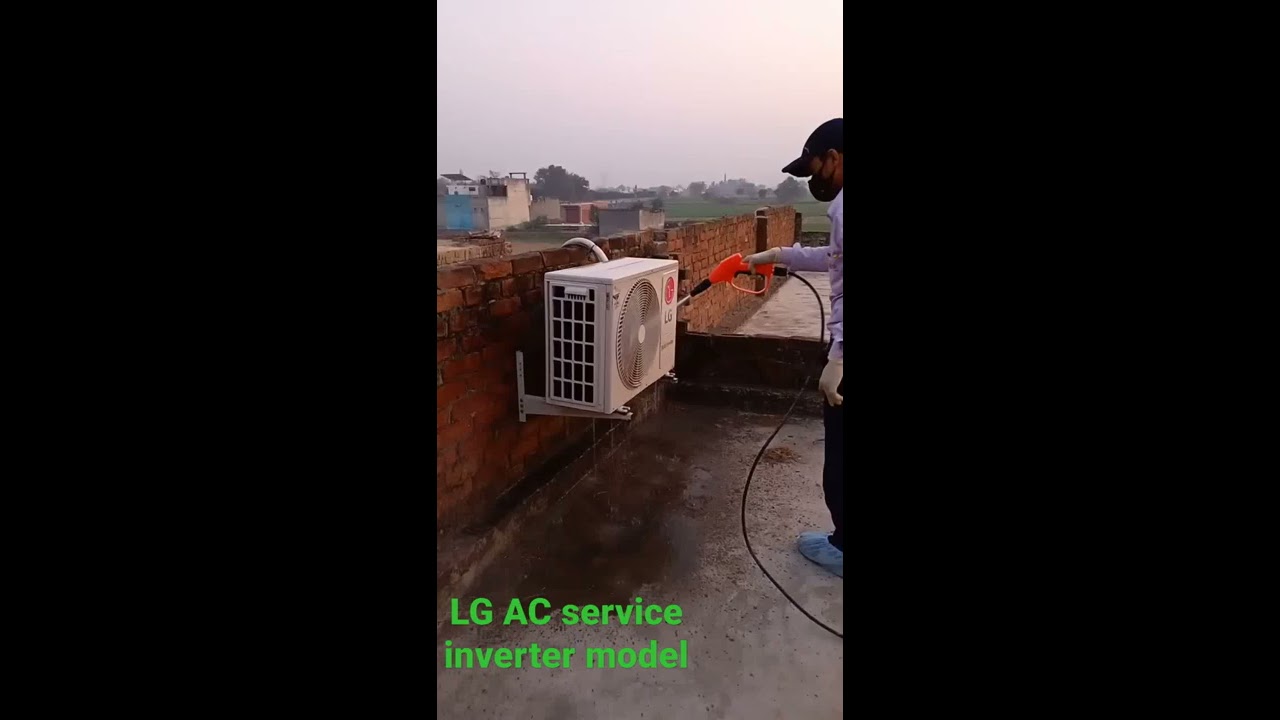
Step 2: Installing Window Units
For window items:
Place the unit on a flat surface beforehand lifting it into situation. Ensure acceptable sealing with climate stripping or insulation tape. Secure brackets in step with manufacturer classes. Use a stage to guarantee it's reasonably tilted outward for proper drainage.Step 3: Setting Up Split Systems
For split techniques:
Install indoor areas on walls clear of direct sun. Drill holes for refrigerant lines by using partitions. Connect indoor and outdoors sets as per company recommendations.Testing Your Installation
Once put in, it’s time to test your new AC system:
Turn on electricity at circuit breaker. Set thermostat to wanted temperature. Check airflow by way of vents; pay attention for distinctive sounds that can indicate trouble.Maintenance Tips Post-Installation
Maintaining your AC approach now not simplest prolongs its existence yet guarantees productive operation:
Change filters most of the time (each and every 1–3 months). Clean condenser coils as soon as in line with season. Schedule professional inspections annually.Frequently Asked Questions
1. Can I Install My Own AC Unit?
Absolutely! Many homeowners effectually handle DIY installations with cautious planning and adherence to protection protocols.
2. How Long Does It Take to Install an AC Unit?
Typically, it takes about three–6 hours relying at the sort of unit and previous expertise.
three. Do I Need Permits for Installation?
Check regional guidelines as lets in is likely to be required dependent on neighborhood constructing codes.
four. What Should I Do if My AC Isn’t Cooling Properly After Installation?
If cooling complications stand up post-installing:
- Check if filters are sparkling, Ensure home windows are sealed, Review set up guidance for correct setup.
five. Is It Cheaper to Hire Professionals Than Doing It Myself?
While hiring authorities incurs exertions prices, DIY can retailer dollars if you're professional and comply with hints in moderation.
6. Where Can I Find The Best AC Companies in Canada?
You can uncover respectable firms listed at ACprices.ca, which serves as an in depth directory of caliber carrier providers throughout Canada.
Conclusion
In precis, fitting an air-con unit doesn’t should be overwhelming with our complete tick list to hand! By working out your necessities— from sizing up your area correctly to choosing fantastic resources— and adhering intently to every step defined above, you are properly in your means closer to having fun with a groovy sanctuary in the time of these hot summer days.
Whether you might be setting up a window unit or opting for more complex cut up tactics, this support has organized you with principal insights into helpful install practices at the same time also emphasizing ongoing maintenance wishes— ensuring lengthy-time period pride along with your investment in alleviation!
Now that you've got all this guidance at your fingertips—are you prepared to deal with that DIY challenge hopefully? Remember all the time prioritize safeguard! Happy cooling!